


Long Beach Peninsula’s Cape Disappointment impresses
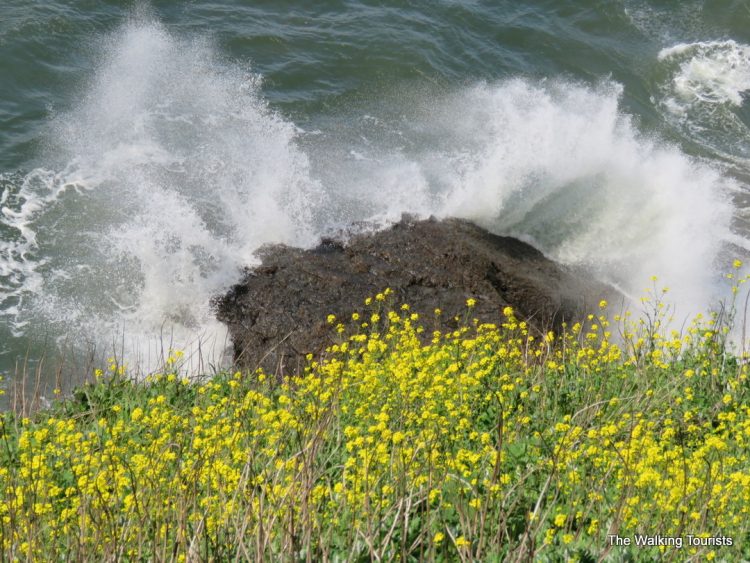
You would think calling your attraction Cape Disappointment may not be the best idea for marketing purposes. But, Cape Disappointment State Park in southwest Washington is far from its namesake. The spot where the Columbia River meets the Pacific Ocean offers beautiful scenery – cliffs, trees, the ocean and a lighthouse.
Cape Disappoint is a headland – surrounded by water on three sides. Apparently, headlands are characterized by waves crashing against the shore, rocky shores and steep cliffs. This makes a perfect spot for a lighthouse. The spot is located a couple miles from the Port of Ilwaco, near the edge of Long Beach Peninsula.
The cape received its name from British fur trader John Meares. While on a trading expedition in 1788 – after a storm – Meares turned his ship around just north of Cape Disappointment. He missed out on being the European to first see the Columbia River. Meares later gave the cape its name after learning he missed out on the Columbia River.
Almost 20 years later, Capt. William Clark and some soldiers explored the area during the Lewis and Clark expedition (1804-06). Capt. Meriwether Lewis and Clark were dispatched with a group of soldiers by orders from President Thomas Jefferson to explore land as part of the Louisiana Purchase.
As you approach the state park, an overlook invites you to pull off the road and check out the view. Do it. You will not regret it. It provides your first glimpse of the beauty the park contains.

The Corps of Discovery – as the unit was named – has its story told near the cape at the Lewis and Clark Interpretive Center. The center is located on a cliff about 200 feet above the Pacific Ocean. The center provides a look at the expedition’s trials and accomplishments as they traveled from St. Charles, Missouri, eventually ending near the mouth of the Columbia River.

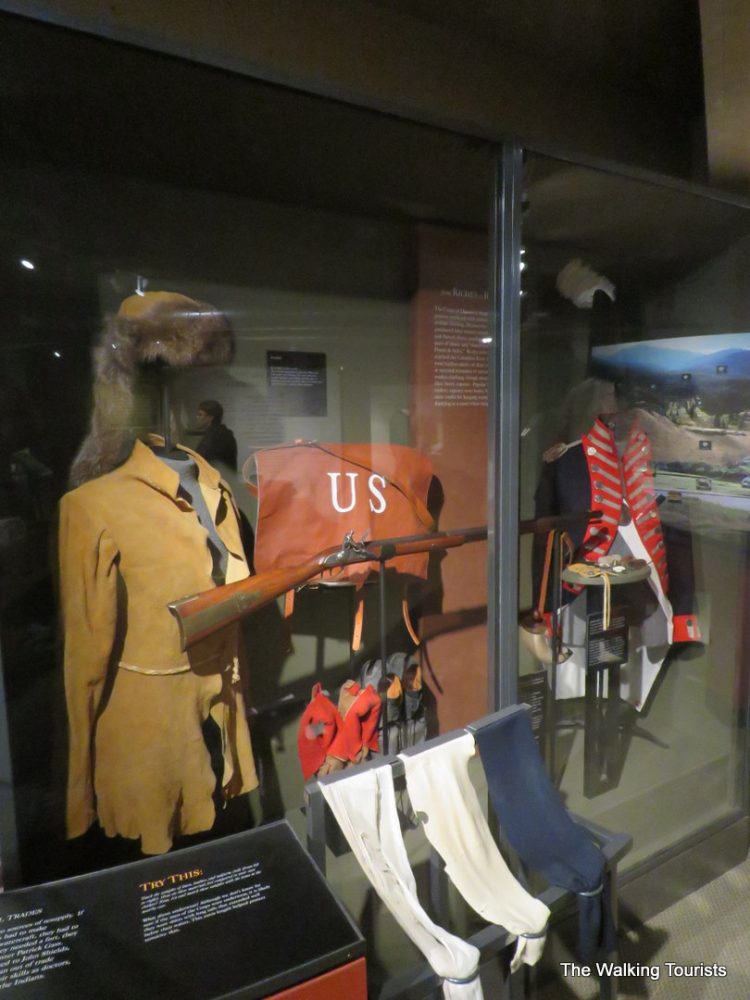
The interpretive center provides some great background information on the expedition, as well as providing artifacts and exhibits of life during their travels. From uniforms to weapons, the center offers a look into the lives of the 33 permanent members of the Corps of Discovery.
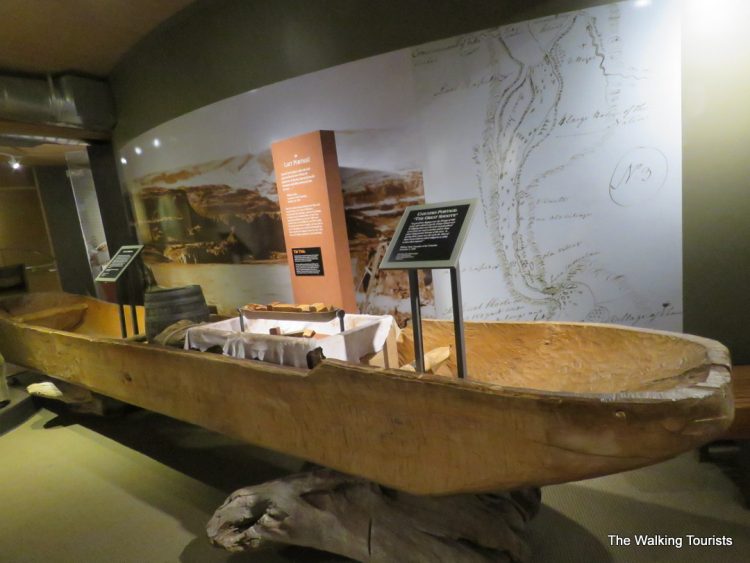
A wooden carved boat replica provides a look in to the type of equipment that was needed to navigate the waterways of the Plains and Northwest. The replica is much smaller than the actual boats used by the corps.
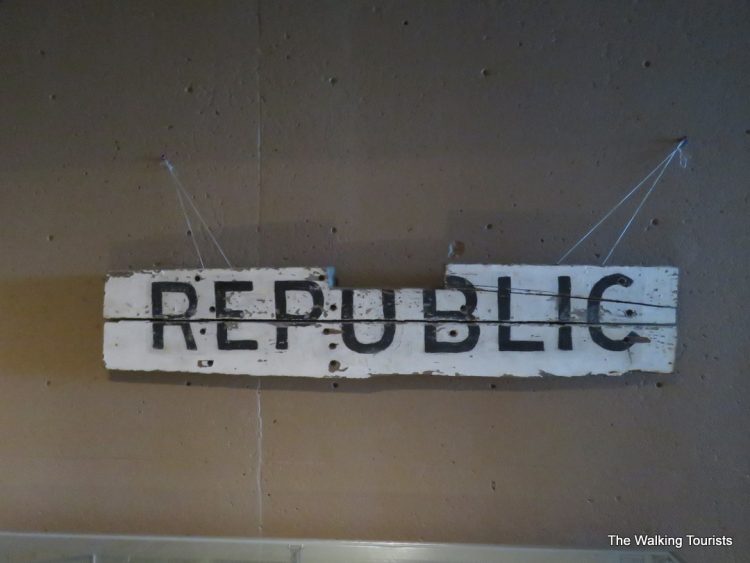
The interpretive center also gives a look at current life on the water. The Pacific Ocean has a long history of devouring boats and ships and their crew. Hundreds of boats have been lost to the ocean. Some remains from ships are displayed at the center.
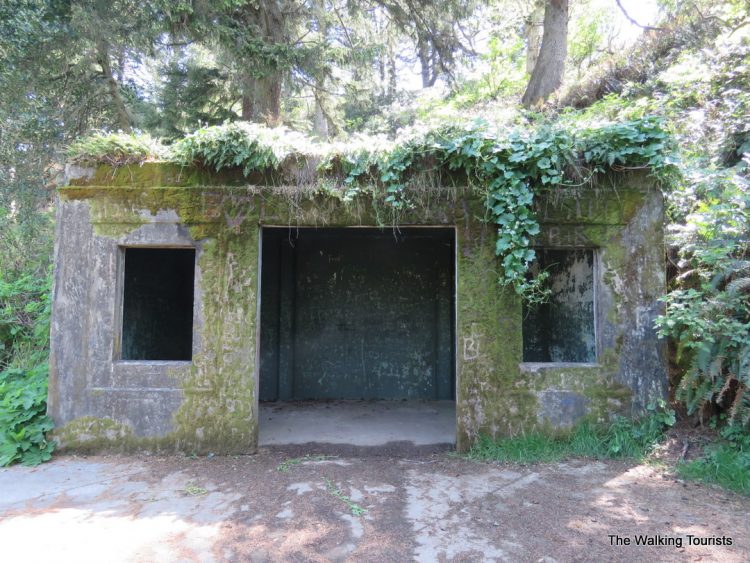
The Lewis and Clark center is located on the grounds of an old military fort. Fort Canby was used by the American military from the mid-1800s until after World War II. The fort and its gunnery posts were designed to protect the United States from enemies attacking from the Pacific Ocean.
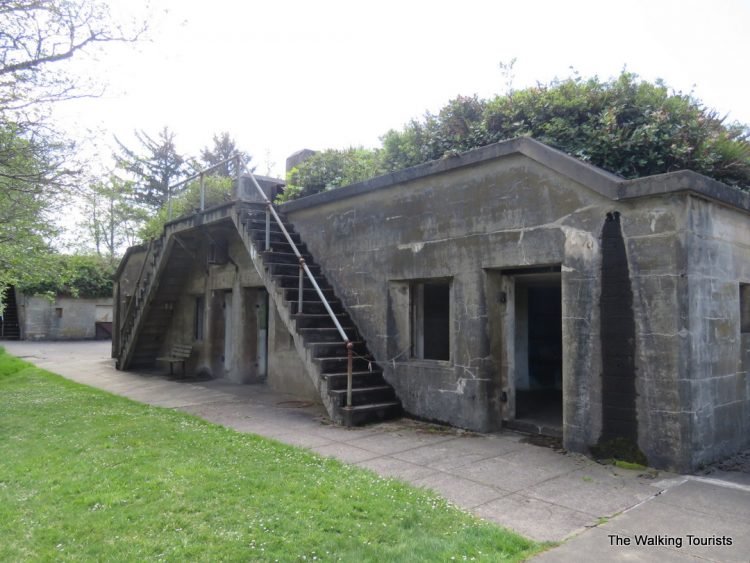
The fort is closed now, and you have to check the abandoned rooms some pieces of information, but it gives an eerie look into American history. The buildings are run down, but remain inviting to the curious.
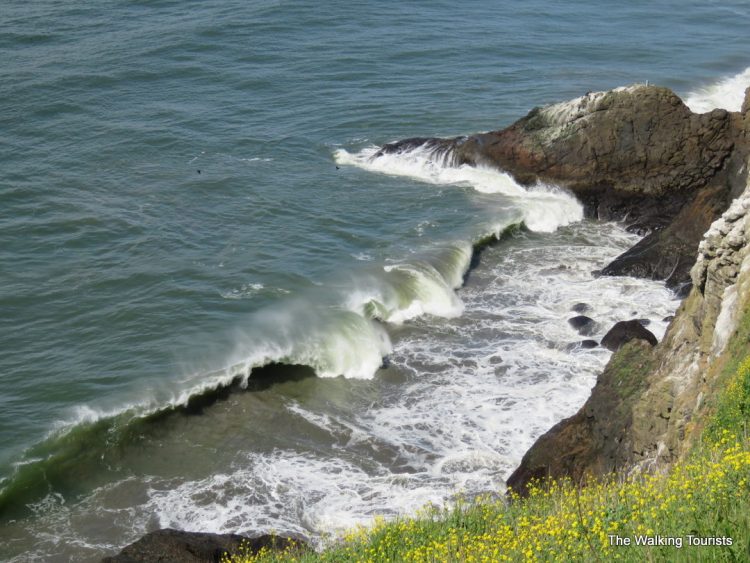
In addition to its look at history, the Lewis and Clark center provides a beautiful look at the surrounding scenery. You can see waves crashing against the rocks below. Surfers take on the waves a short distance away. Walking trails offer an opportunity to further explore the area.
The walk to Cape Disappointment Lighthouse from the interpretive center is interesting. It’s mostly unpaved and uneven for the .75 mile trek. You need to be careful when walking it. Once on the trail, if you decide it’s not for you and want to head to your car in the parking lot, there is a short path to it before you reach Dead Man’s Cove. Once you’re at the cove, you must commit for the rest of the walk – which involves a steep climb on a paved road to the lighthouse – or stop where you’re at.
Dead Man’s Cove isn’t a bad spot to take a rest. It’s a beautiful view. Trees provide shade to a small beach, with large rocks nearby. Seals are known to reside on the beach. During our visit, people were discouraged from hiking down to the beach because a baby seal was using it for nap time. We looked as hard as we could, but never did see the seal.

We trekked on up to the lighthouse. It is a steep climb. But, as you walk up the several feet to the lighthouse, you realize the walk back is downhill. Ah…
Once you reach Cape Disappointment Lighthouse, you are amazed at the view (and forget about the huffing and puffing of the last 10 minutes). The lighthouse is impressive. It stands atop Cape Disappointment. You are not allowed inside the lighthouse.

The view was beautiful! Seeing where the Columbia River feeds into the Pacific Ocean sent chills down my spine. I can only wonder what Lewis and Clark really thought when they saw the view. It’s truly a special moment to know you are standing near a major point in American history. And a little geeky, too. That, I will not argue.

The lighthouse was completed in 1856. It had some issues when it opened – the fog horn couldn’t be heard over the crashing waves and the light wasn’t visible to ships traveling from the north. Eventually, the North Head Lighthouse was built a few years later a little farther south on Long Beach. This corrected the issues.
The Cape Disappointment Lighthouse has an observation deck that is used by the US Coast Guard. We saw a couple of men working during our visit.
Cape Disappointment State Park is well worth the visit. There is a small admission fee to the Lewis and Clark Interpretive Center, but it shouldn’t be skipped. If you don’t to hike to the lighthouse, it can be seen from the interpretive center’s observation area.
For more information, please visit www.parks.state.wa.us/486/Cape-Disappointment or www.funbeach.com.
