


Museum shares the story of Omaha’s African American history
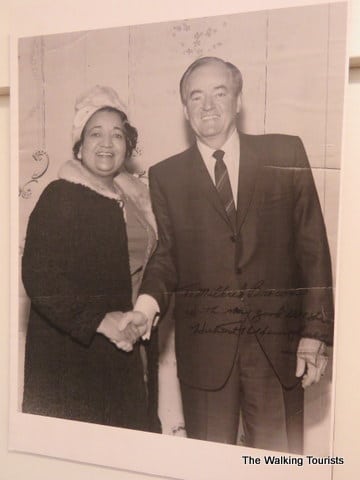
It sits inside a small bay inside an aged shopping mall, but the Great Plains Black History Museum packs as much as possible in telling the history of Omaha’s African American community.
The museum – located in Crossroads Mall – was once located in near north Omaha, near the 24th and Lake business district. That building suffered structural damage, so the contents had to be removed. Some of the museum’s exhibits were displayed elsewhere, before leaders settled in the mall location two years ago.

A visit to the museum actually begins with a westward look at our area’s African American history. In the 1880s, Charles Meehan – a white man married to a black woman – led a group of black settlers to western Nebraska’s Cherry County. They were among the first African Americans to settle in Nebraska under the federal Homestead Act. The legislation, passed during the Lincoln administration in the 1860s, offered free land to people, provided they agreed to improve the land over a set number of years.

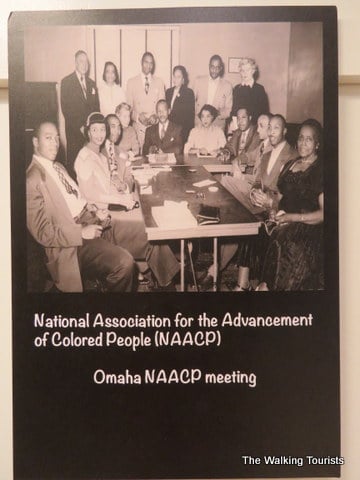
Omaha’s African American history offers a look at the good and the bad. The National Association for the Advancement of Colored People (NAACP) has worked for racial justice and equality since 1909. Omaha’s chapter worked for fair treatment here.
Negro Leagues Baseball served as a positive form of entertainment for African Americans during the days of segregation. The museum recognizes the men and teams that took to the field when they couldn’t play alongside their white counterparts. The NLB was actually innovative, challenging the way baseball was played, including the first night games. Later, Major League Baseball incorporated night games.

Once Jackie Robinson was signed to play for the Brooklyn (later Los Angeles) Dodgers, professional baseball became integrated. This eventually led to the demise of the Negro Leagues Baseball, as more players signed with MLB teams.
Still, NLB teams and players continue to be honored. Kansas City is home to the national NLB museum. Omaha’s museum also recognizes the teams that took the field during segregation, including the Kansas City Monarchs. Players who spent time in the NLB included Hank Aaron and Satchel Paige.
Omaha is the hometown to Malcolm X. Born Malcolm Little, his family left the city for their own protection when the Ku Klux Klan continued to harass them. Malcolm X’s home has been recognized with a state historical marker.
The museum has a copy of X’s birth certificate on display, alongside a photo of his widow Betty Shabazz visiting the museum’s original location in 1975.

A reminder of how dangerous life was for Omaha’s African Americans is prominently displayed. An actual KKK hood and robe is displayed. The KKK thrived for several years in Omaha. It was characterized as pro-American, pro-family and anti-bootlegger (during Prohibition), which appealed to many people. This generation of Klansmen disappeared from the area during the 1930s, due to scandal.

The Great Plains Black History Museum does a great job in sharing its history through photographs, books and a few other exhibits. The space restricts what they can do, but the curators have done an impressive job in the two years they’ve been at Crossroads Mall.

We recommend visiting the museum. It’s an interesting look into a segment of Omaha’s history.
For more information on the museum, which is open Friday and Saturday 1-5 p.m., please visit https://www.facebook.com/Greatplainsblackhistorymuseum.
